2016 update

I've just gotten back to land having spent the last 4 months at sea aboard Sea Shepherd's flagship vessel, the Steve Irwin. Myself and a crew of 33 sailed the Indian Ocean in search of illegal poachers, and managed to chase one into the hands of the Indonesian Navy (who then blew the vessel up) and the other all the way back to China.

It was a busy 4 months, and I'll be reviewing it all on here, soon. 

In the meantime, here's the last remaining Toothfish poaching vessel, The Viking, getting blown up.

Sea Shepherd has released dramatic footage, including drone footage, of the sinking of the last of the "Bandit 6" toothfish poaching vessels, the Viking, in Pangandaran, West Java. Director of Sea Shepherd Asia, Gary Stokes, was at the sinking. "Another of the Bandit 6 poaching vessels has met its end, this time at the hands of the Indonesian government.

Common Dolphins going wild

On our way out for a morning dive, my Dad, Mum, Eliza and myself were greeted by a friendly and playful pod of Common Dolphins. I've had a lot of encounters with marine wildlife in New Zealand, but I've never seen dolphins go so wild here before.

Filmed on an iPhone 5 (unfortunately...), near the Bay Of Islands, New Zealand.

On our way out for a morning dive, my Dad, Mum, Eliza and myself were greeted by a friendly and playful pod of Common Dolphins. Filmed on an iPhone 5 (unfortunately...), near the Bay Of Islands, New Zealand.

Deep Sea Dolphins & Pilot Whales

Whilst catching up with my friend Dr. Ingrid Visser, I had the luck and pleasure of spending an afternoon with some Pelagic Tursiop Bottlenose Dolphins and Long-Finned Pilot Whales.

The curious cetaceans stayed with us for around an hour, displaying all sorts of behaviour, including spy-hopping, bow-riding, and tail-slapping.

Raw footage taken with a Go Pro 4 off of the Bay Of Islands, New Zealand. Filmed by me, on Ingrid's camera.

Whilst catching up with my friend Dr. Ingrid Visser, I had the luck and pleasure of spending an afternoon with some Pelagic Tursiop Bottlenose Dolphins and Long-Finned Pilot Whales. The curious cetaceans stayed with us for around an hour, displaying all sorts of behaviour, including spy-hopping, bow-riding, and tail-slapping. Raw footage taken with a Go Pro 4 off of the Bay Of Islands, New Zealand. Filmed by me, on Ingrid's camera.

Ikelite feature

I've been using Ikelite underwater housing gear for all of my underwater filming & photography for the last 5 years, so they've been there alongside me during some of my favourite memories.

With that in mind, I'm stoked to be have been given the opportunity to share some of my stories with them, as well as being their current feature photographer. 

Check out the stories by clicking here, and the featured photographer page here.

To find out more about Ikelite, visit there website - www.ikelite.com

040-TJW-Operation-Relentless.jpg

Under the Antarctic ice - one of the featured photos.

NZ Geographic Photographer Of The Year Award 2014 - Photostory

I awoke to some exciting news from the other side of the world the other day - I won the New Zealand Geographic Photographer of the Year Award for 2014, for the Photostory category.

I submitted 6 images from my most recent trip to the Southern Ocean Whale Sanctuary with Sea Shepherd, aboard the Steve Irwin, and obviously the judges liked them!

This is the first competition like this that I've entered, so to be complimented in this way is mind-blowing.

I'll post the winning images once I get back to my computer, as I'm still moving around Europe.

Click here to see a list of all the winners. Thanks NZ Geographic!

Wildlife rehabilitation in the Bolivian Amazon

I spent a week in the Bolivian Amazon with some amazing animals, documenting the fantastic work of Comunidad Inti Wara Yassi.

Inti Wara Yassi rescue & rehabilitate a large variety of animals that have been rescued to the wildfire trade, the illegal domestication of wild animals, and from circuses.

When possible, the animals are released back into the wild, but with many suffering severe physical and psychological trauma, CIWY provides a lifetime of care and love.

I'll be putting together a video on their work, but for now, here is a few shots of some of the animals that I had the pleasure of meeting. 


A victory for the Sharks of Western Australia

Fantastic news from Australia, as it looks 99% sure that the Western Australian Shark Cull won't be going ahead this year, thanks to the Environmental Protection Agency telling the Western Australian Government that their policy is reckless, has no scientific grounding, and could be doing serious damage to Great White populations if it continues.

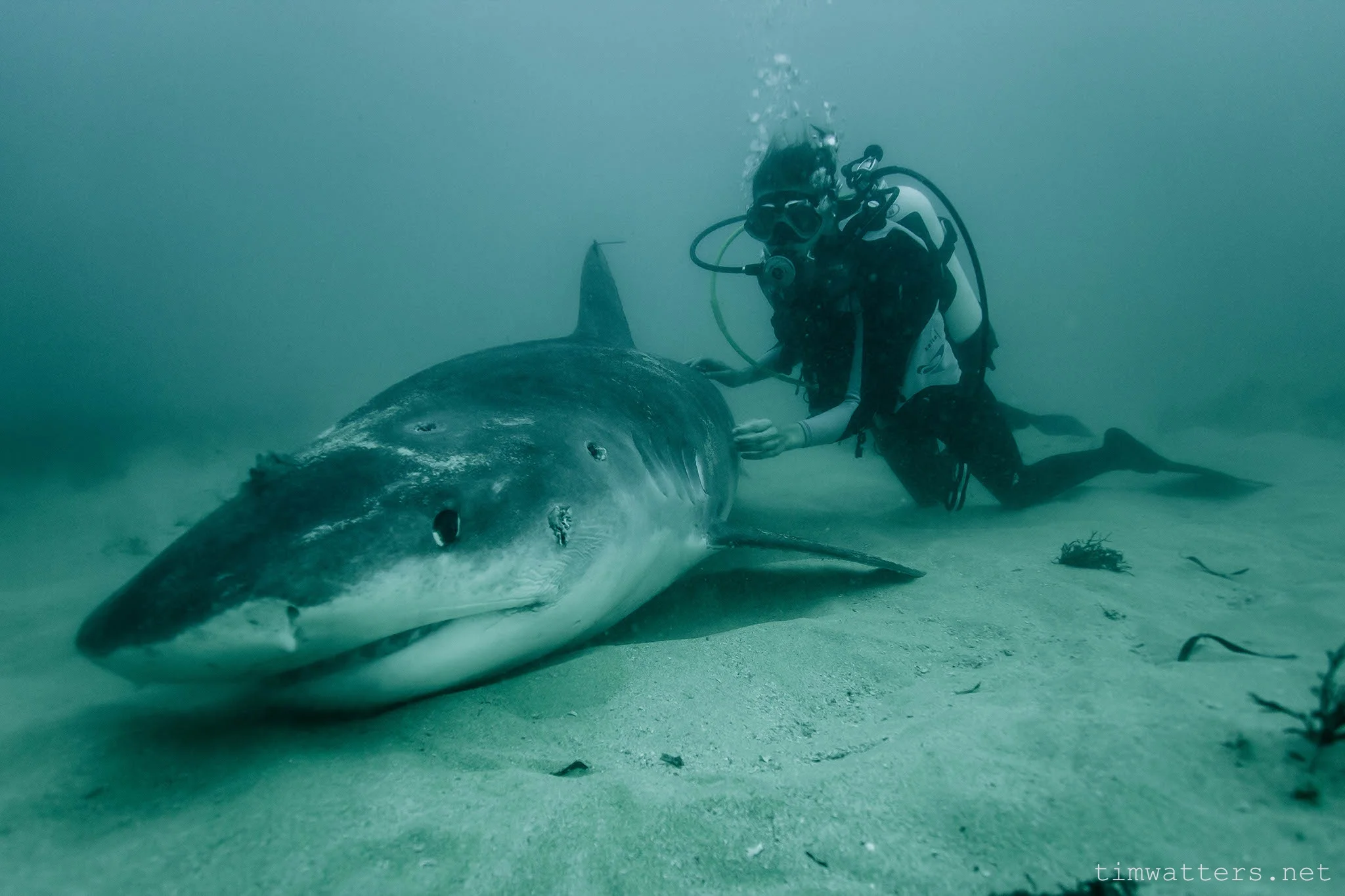
That means that this Tiger Shark, which was hooked and shot in the head 5 times before being dumped at sea by the Western Australian Government earlier this year, is one of the last that had to die as a result of the controversial policy.

Big congratulations to Sea Shepherd Australia and all those involved in the fight.

Wildlife in Iberá - Argentina

I've just returned from the most amazing week in the North of Argentina, exploring the land, and water, around the 'Iberá' lake. I was hosted by Doug Tompkins & his wife, Kris, who run the Conservation Land Trust - an incredible group which works in both Chile & Argentina in ensuring that these amazing natural places are kept wild & free.

Their project in Argentina is of a massive scale, and focuses mainly on returning land that was once essentially destroyed by bad agricultural practices back to its natural state. In doing so, the wildlife has returned to these areas on a massive scale, and this part of the world is by far the most bio-diverse place that I have ever visited. 

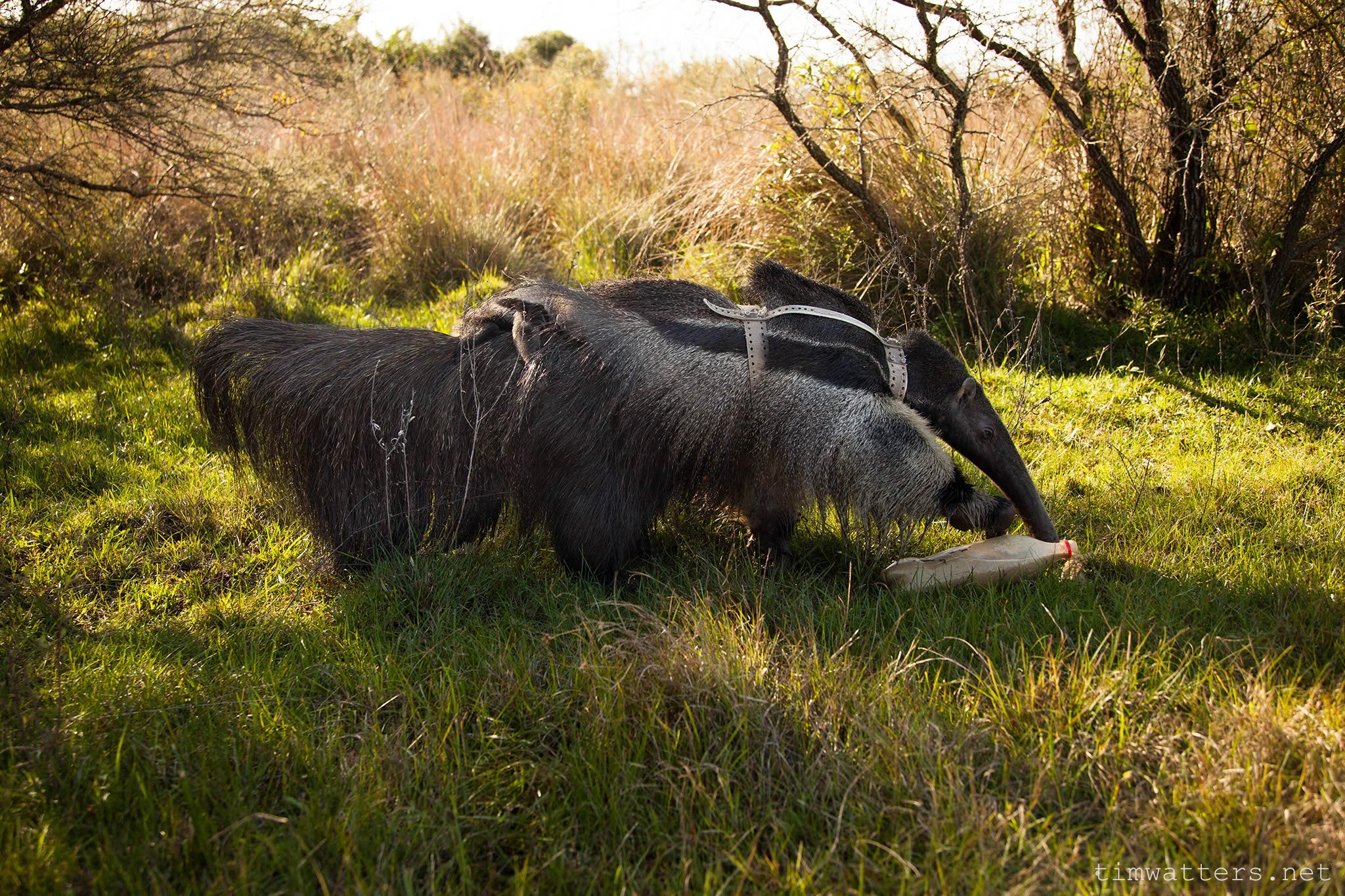
Along with this, Doug, Kris & their team are working on re-introducing animals that were eradicated from the area, such as Giant Anteaters & in the near future, Jaguars.

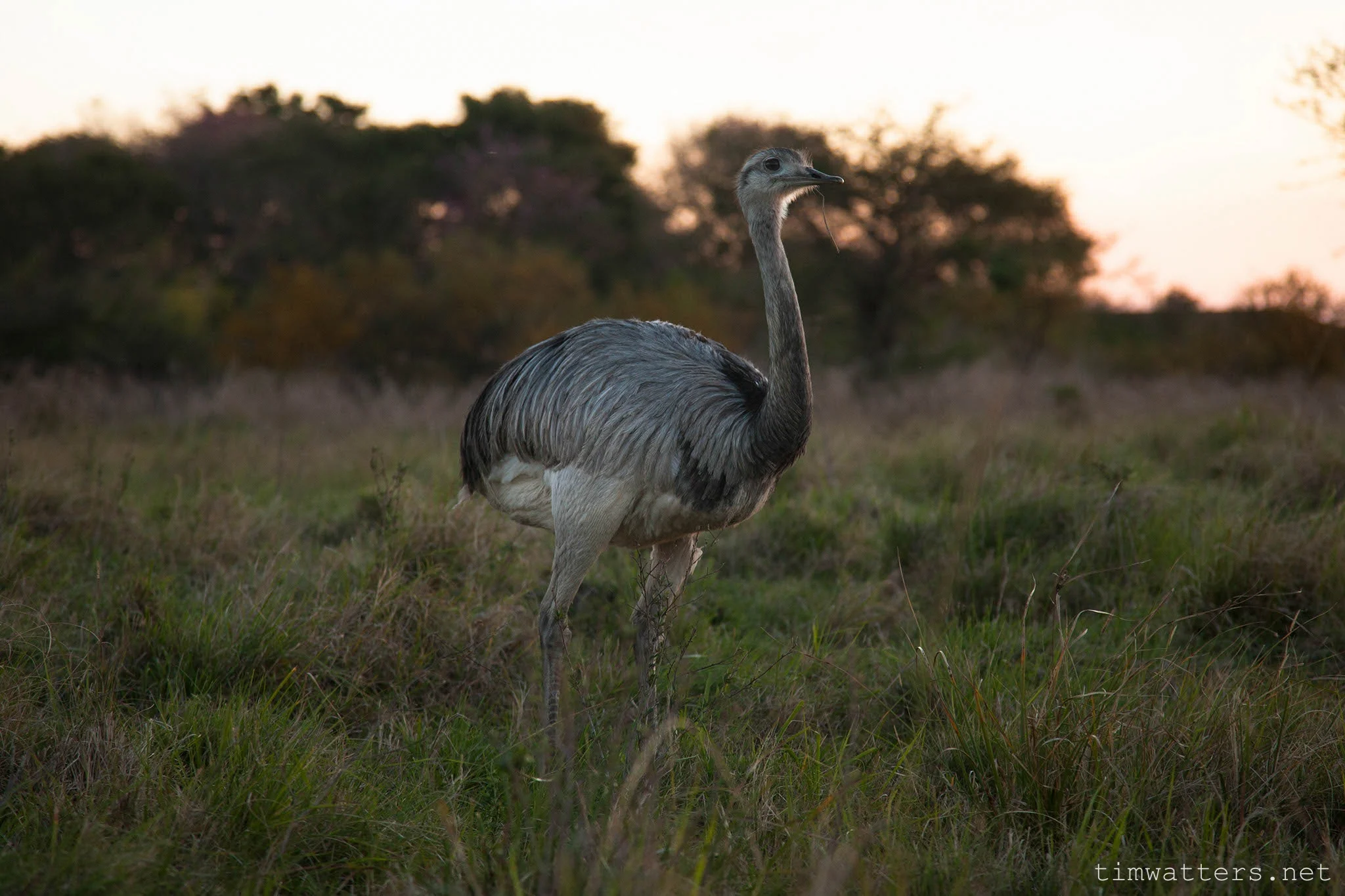
Below are a series of shots of some of the incredible wildlife that I came across, including the very cute Capybara, Zorros (Foxes), Ceirvo de las Pampas (Marsh Deer), Monkeys , Caimans (Alligators), Nandus (Ostrich-like-birds), and the amazing Oso Hormiguero (Giant Anteater) - including a new born baby named 'Fajah', riding on his mothers back.

To find out more about this project, click here.


Finalist in the New Zealand Photographer of the Year awards - 2014

I'm really excited and honoured to have been named as one of 22 finalists in the New Zealand Photographer of the Year awards for 2014 - the annual competition held by New Zealand Geographic. 

I've attended the exhibition the last couple of years, and have been amazed at the quality of the work, so to have 6 of my shots in there, running in the 'Photo story' category, is a huge blast.

Below are the shots in the running, with the exhibition currently being held in Christchurch until the end of August, and then in Auckland throughout October. 

I also have one shot running in the peoples choice awards, which can be voted for by clicking here.

A huge thanks to New Zealand Geographic for all they do.


Steve Irwin dry dock Video

Here's a video that I made, showcasing the incredible work that my friends have been doing on bringing Sea Shepherds flagship vessel - The Steve Irwin - back to fighting form, whilst in dry dock in Launceston, Tasmania.

Sea Shepherds flagship vessel, The Steve Irwin, has successfully patrolled on eight Antarctic whale defence campaigns and sailed around the world twice in defence of our oceans. She has had concussion grenades thrown at her, she has been rammed by the illegal whale poachers from Japan and she has even been trapped in the ice in defence of the whales. She has been doing the job that the governments of the world refuse to do, upholding international conservation law to carry out Sea Shepherds mission to safeguard the biodiversity of our delicately balanced oceanic ecosystems. As a result, she was in much need of some TLC. This video showcases the necessary works needed to keep the Steve Irwin out to sea, carried out by our dedicated and passionate international crew. Its an extremely expensive operation to maintain our ships and we welcome your support by getting onboard our direct action crew program here (my.seashepherd.org.au/dac), as this allows us the ability to plan and budget for our direct action and vital campaigns.

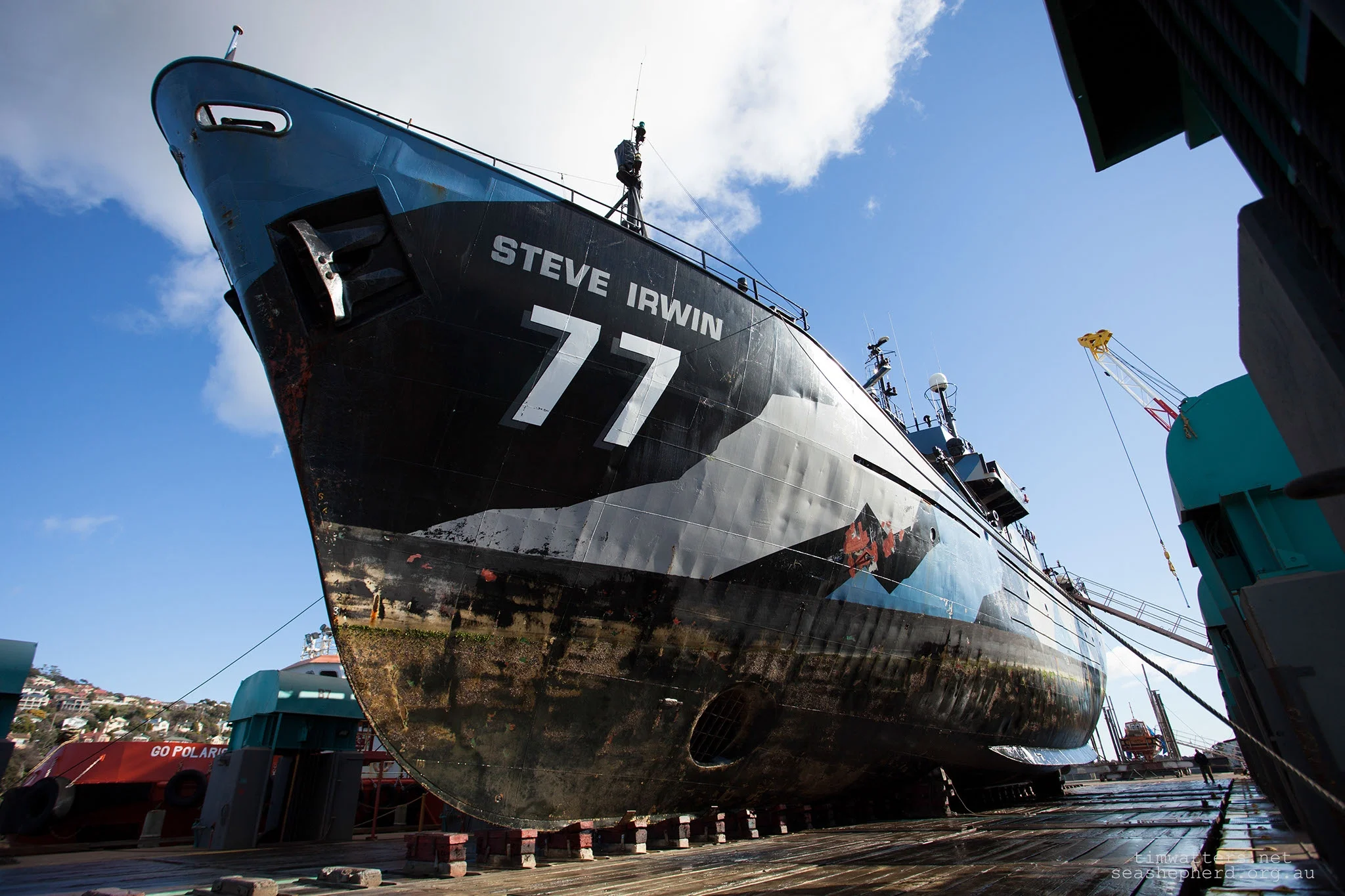
The Steve Irwin in dry dock

For the next couple of weeks I'll be in Launceston, Tasmania, where we've just pulled the 59 metre Steve Irwin out of the water to do some much needed work on it.

This ship hasn't just taken me to some of the most amazing places I've visited, it has also been my full time home for the last couple of years.

It's pretty incredible to see it out of the water.

Alistair & Mal - Operation Relentless session

A short little video I made of my friends Alistair & Mal get together in the fo'c'sle of the M/Y Steve Irwin towards the end of our trip to the Southern Ocean Whale Sanctuary to help protect & defend the whales of Antarctica.

In it, they practice a few songs they wrote during the 95 days we spent at sea as part of Sea Shepherds 10th Antarctic Whale Defence Campaign, 'Operation Relentless'. 

Alistair & Mal get together in the fo'c'sle of the M/Y Steve Irwin towards the end of our trip to the Southern Ocean Whale Sanctuary to help protect & defend the whales of Antarctica. Here, they practice a few songs they wrote during the 95 days we spent at sea as part of Sea Shepherds 10th Antarctic Whale Defence Campaign, 'Operation Relentless'. To support Sea Shepherd, visit www.seashepherd.org.au

Sea Shepherd Galapagos documentary

Today Sea Shepherd released the short documentary that I made for them in 2011. 

In 2011 I spent a month in the UNESCO World Heritage listed islands, where I documented the work that Sea Shepherd carries out alongside the local authorities in protecting and defending the beautiful and rich ecosystem that is the Galapagos Marine Reserve.

I saw and documented the destruction and tragedy caused by an illegal shark finning operation. I flew to some of the most remote locations the islands have to offer, and worked alongside a dedicated bunch of people as they installed communication towers atop volcanoes to provide eyes on the Ocean for local authorities. And I saw a bunch of amazing wildlife.

Enjoy the film, and hopefully you can be inspired by the amazing work these few people carried out to protect something that all of us are ultimately responsible for in the end.

A short documentary that I made for Sea Shepherd in 2011. Some 960 kilometers off the coast of Ecuador, the Galapagos Archipelago is famed throughout the world for its unique plant and animal species. Sea Shepherd has always considered the Galapagos one of the world’s last untouched wildernesses. But even in this remote part of the world, human encroachment is taking a heavy toll on this fragile eco-system. Since 2000, Sea Shepherd has maintained a strong and positive presence in the Galapagos Islands and been honoured to do so. These ‘Enchanted Isles’ are a UNESCO World Heritage Site. This means that all humanity has a responsibility to help protect them from illegal exploitation. Over the years Sea Shepherd has, among other things, supplied radio equipment to the park rangers and police and an Automatic Identification System (AIS) to monitor movements of fishing vessels. All in a bid to assist in stamping out the illegal poaching of sharks. Sea Shepherd has also provided education to schoolchildren about the importance of protecting sharks. And, of course, we initiated the K9 unit which is a partnership with the Galapagos police in an attempt to stop the illegal smuggling of wildlife. Sea Shepherd considers Galapagos an ongoing campaign, one that gives us great pride, and possibly one of the most important in our history and in that of the human race. In this short film, produced in 2011, we present to you the work that we have been carrying out in order to assist in the protection of the Galapagos Marine Reserve and the life within it.


Photos from Antarctica 2013.2014 - Operation Relentless

I've finally got around to uploading a small selection of my photos from 'Operation Relentless' - Sea Shepherds 10th Antarctic Whale Defence Campaign. In the end we were at sea for 95 days. In that time we found the Japanese Whaling Fleet a record 4 times, including the time when we found them butchering a few protected Minke whales, with the images and footage hitting the news around the world. We also saw some of the most amazing icebergs, were attacked at midnight by the harpoon vessels, visited the continent of Antarctica at Cape Adare, and I went for a dive under some ice, too.

Upon return, the Japanese Government announced that they were 784 whales short of their quota of 1035 - blaming us for their poor result. After that, the International Court Of Justice ruled that their whaling within the Southern Ocean Whale Sanctuary was indeed illegal - as we already knew - and the height of the good news came when the Government announced that they would not be sailing to Antarctica for the first time in over 20 years.

All in all, a good trip.

Enjoy some of the highlights, here

An iceberg as viewed from within the cold water of Antarctica.

The downfall of two Tiger Sharks - Video

Here's the video I shot and put together yesterday when the WA Government caught two protected Tiger Sharks - killing one and leaving the other for dead. It's all a bit hectic here in Perth right now, so we're having to pump stuff out really quickly as there's more sharks falling than we can cope with right now.

To support the campaign & help us stop the cull, visit www.seashepehrd.org.au

Fighting the Western Australian Shark Cull

I'm currently in Perth, Western Australia, heading out to sea each day and following the activities of the WA Fisheries vessel as it moves up and down the coast patrolling their drum lines. The Government believe that they're keeping swimmers safe, but their baited drum lines are only attracting sharks closer to shore, and senselessly killing tens of protected Tiger Sharks in their pursuit of the un-fairly demonised Great White.

Today, on my third day out at sea, two sharks were pulled up within two hours. One was severely injured and barely alive. It was pulled out of the water and released back into the sea where it quickly disappeared. We don't know if it swam off or sank to die.

Shortly after, we came across a large female Tiger Shark, thrashing on the surface of the water, hooked through the head. Fisheries dragged her alongside their ship and shot her three times in the head, killing her, before dragging her body out to sea where they dumped her. She quickly sank to the bottom.

It's such a joke, a sick one, and the people of Australia and the world hate it.  

I'm joining the campaign late in the game, as the drumlines will be pulled out of the water at the end of the month. Over the next few weeks I'll be gathering footage from the past, as well as documenting the happenings from here on in to put together a documentary for Sea Shepherd, as well as helping out and keeping people up to date as to whats going on at sea each day.

To support the campaign, please visit www.seashepherd.org.au

A fisheries officer looks at the female Tiger Shark that he just took part in killing.

784 whales saved

This is when we first found the Nisshin Maru with 3 illegally slaughtered Minke Whales on its deck, killed within the Southern Ocean Whale Sanctuary.

Last night the Japanese Fisheries Agency released their numbers for the 2013-2014 Antarctic whaling season, and they killed 251 whales - 784 short of their quota thanks to the efforts of Sea Shepherd.

The Japanese Whaling Fleets factory vessel, the Nisshin Maru, with 3 dead Minke Whales on its deck.

Pack Ice - Antarctica

Flying over pack ice in search of the Nisshin Maru - one of my favourite photos from Operation Relentless. Spot the Leopard Seal. I had never seen pack ice like this, and I got a bunch of shots that still amaze me, which I'll get around to posting soon.

The end of Antarctic Whaling

Here on the Sea Shepherd ships we're all still celebrating the news that the Japanese Whaling Fleet won't be headed down to the Southern Ocean Whale Sanctuary for the first time in over 20 years. To think that thousands of whales will be swimming free this sumer, without the threat of a harpoon exploding in their innocent guts brings me a great deal of joy.

Thanks to Sea Shepherd, around 5000 of these whales lives were spared, and for that, I thank everyone involved.

Hopefully the butchered Minkes that I came across this year during Operation Relentless are some of the last that had to suffer this fate, and whilst celebrating the victory, we all need to wonder as to how decisions like this aren't made sooner, and what other crimes are going on around the world that we should work towards ending.

For now though, we smile and celebrate for Antarctic and the whales.

The butchered remains of an illegally killed Minke Whale aboard the Nisshin Maru, taken in January 2014 during Sea Shepherds 10th Antarctic Whale Defence Campaign, 'Operation Relentless'.

Back from the Southern Ocean

After 95 days at sea covering around 19,200 nautical miles, I'm back on land in Australia. Operation Relentless was Sea Shepherds 10th Antarctic Whale Defence campaign, and I was aboard the Steve Irwin as one of its two photographers.

It was a long and tough campaign. We found the whaling fleet on four different occasions and shut them down for a good period of time, but they fought us hard and were able to slip away a few times, too. We ventured deep into the Ross Sea and came across some of the most stunning icebergs I've seen, as well as visiting the Antarctic peninsula at Cape Adare.

More photos to come over the weeks, as well as stories, but for now I'm glad to be back on dry land with friends and family.

The Steve Irwin sails past an iceberg in the Ross Sea, Antarctica - 2014.